Blog

If there’s any delay, it’s you we pay! ®
Water Leak Detection Device

How to Choose the Best Water Leak Detection Device

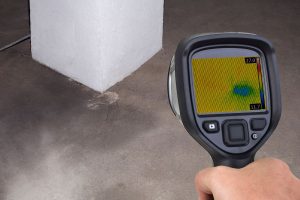
You might not know that water leak detection devices come in various forms, each suited for different needs and setups. Choosing the best one isn’t just about picking the most expensive or technologically advanced option. It’s about understanding your home’s plumbing dynamics and specific vulnerabilities. Should you opt for a wired model for stability or a wireless one for ease of installation? What about smart features for enhanced alerts? Consider these aspects carefully, as they greatly impact your home’s protection and peace of mind. Let’s explore how to make an informed choice. Understand Your Home’s Needs Before selecting a water leak detection device, thoroughly assess your home’s plumbing layout, potential risk areas, and any historical issues with leaks. Start by

View Full Blog Post »
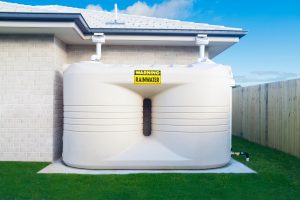
An outdoor rainwater storage tank connected to a house's gutter system

Eco-Friendly Plumbing: Embrace Water-Saving Technologies

You might wonder if eco-friendly plumbing means sacrificing performance, but today’s water-saving technologies guarantee efficiency and effectiveness. You can greatly reduce water usage without compromising daily needs by considering options like low-flow faucets and dual-flush toilets. These innovations lower your utility bills and contribute to a more sustainable environment. Imagine further integrating greywater recycling systems or rainwater harvesting to enhance your home’s resilience against water shortages. There’s more to explore about smart leak detection devices and sustainable materials that make eco-friendly plumbing a practical and impactful choice for your household. Understanding Eco-Friendly Plumbing Eco-friendly plumbing involves utilizing sustainable materials and technologies to reduce water consumption and minimize environmental impact. To grasp this concept, you must focus on the core components

View Full Blog Post »
Bathroom Plumbing Upgrades

Eco-Friendly Bathroom Plumbing Upgrades for Your Home

Considering a more responsible approach to your bathroom’s plumbing might just be the change your home needs. You can start with low-flow faucets and water-saving showerheads, which reduce water use without sacrificing comfort. Dual-flush toilets offer versatility, while eco-friendly bathtubs mix luxury with conservation. But that’s just the tip of the iceberg. Efficient water heaters, greywater recycling, and even rainwater harvesting systems are on the table. Curious about how insulated plumbing or smart leak detectors fit into this picture? There’s much more to explore when creating a truly sustainable bathroom. Low-Flow Faucets Installing low-flow faucets is an effective way to reduce water consumption in your bathroom without sacrificing performance. These faucets use aerators to mix air with water, maintaining pressure

View Full Blog Post »
Water Filtration System in Duncanville

Why Install a Water Filtration System in Your Kitchen

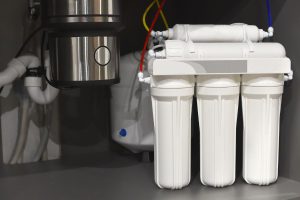
Did you know that over 60% of tap water in the US contains contaminants like lead and chlorine that can affect your health? Bottled water might be a safer alternative, but it has its own issues, including cost and environmental impact. You could address these concerns efficiently by installing a water filtration system in your kitchen. Imagine having healthier water at your fingertips, saving money, and reducing plastic waste. So, what’s holding you back from making this simple yet impactful change in your daily life? Healthier Drinking Water Installing a home water filtration system in your kitchen guarantees access to healthier drinking water by effectively removing contaminants and impurities. Investing in such a system safeguards your health and demonstrates care

View Full Blog Post »
Benjamin Franklin cleaning sink drain with baking soda while wearing gloves.

Eco-Friendly Ways to Unclog Your Drains

When faced with a stubborn clog, your first instinct might be to reach for harsh chemical solutions, but eco-friendly alternatives are just as effective. Imagine using common household items like baking soda and vinegar to create a fizzing reaction that breaks down debris or employing a simple wire hanger to tackle the problem without harming the environment. These methods protect your plumbing and contribute to a healthier ecosystem. What if you could maintain clear drains while being kind to the planet? Let’s explore these sustainable techniques and more. Baking Soda and Vinegar One simple and eco-friendly method to unclog drains is to pour a mixture of baking soda and vinegar down the drain. This approach clears blockages and prioritizes our

View Full Blog Post »
Plumbing System Maintenance

Signs Your Plumbing System Needs Urgent Maintenance

You’re going about your day when you notice it—the water pressure isn’t what it used to be. That persistent drip from the faucet you’ve ignored isn’t just a minor annoyance; the slow-draining sink is more than just a nuisance. These could be signs your plumbing system needs urgent attention. But what about those gurgling toilet sounds or the mysterious spike in your water bill? They might be telling you something’s seriously amiss. Before things escalate, understanding these signs can be vital. What other warnings might you miss that could save you time and money? Low Water Pressure Low water pressure can signal underlying issues in your plumbing system that need immediate attention. First, check if the low pressure affects only

View Full Blog Post »
Installing Pipe Heat Cables

Winterize Your Plumbing: A Seasonal Preparation Guide

Just as Pandora’s curiosity led to unintended consequences, neglecting your plumbing during winter can open a box of costly problems. You might think a cozy fireplace is enough to keep the chill at bay, but pipes require their own form of protection. By inspecting vulnerable areas and sealing air leaks, you’re not just winterizing—you’re investing in peace of mind. But what about those outdoor faucets and exposed pipes you rarely think about? There’s more than meets the eye when preparing your plumbing for winter’s harsh grip. Let’s explore how you can safeguard your home. Inspect Your Plumbing System Start winterization by thoroughly inspecting your plumbing system and identifying any vulnerable pipes and potential leak points. Scheduling a professional plumbing inspection

View Full Blog Post »
Bathroom Sink Repair in Duncanville

Leak Detection Tips for Efficient Home Plumbing Repair

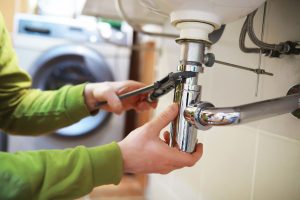
You might think that plumbing issues are only for professionals, but learning a few leak detection tips can save you time and money. Check common leak sources like faucets and under sinks for dampness or strange sounds. Simple methods like water meter readings and food coloring tests can uncover hidden leaks that might go unnoticed. Keeping an eye on your water bill for unexpected spikes and using tools like moisture meters can also help. So, how do you effectively tackle these issues without breaking the bank? Let’s explore practical solutions. Identify Common Leak Sources To effectively identify common leak sources, inspect areas like faucets, toilets, and water heaters where leaks frequently occur. Begin with faucets by checking for drips from

View Full Blog Post »
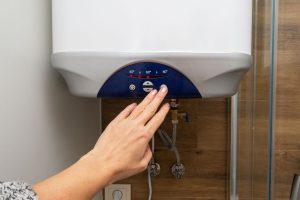
A Duncanville Plumber adjusting temperature on a wall-mounted water heater.

How to Install a Water Heater: A Step-by-Step Guide

When you’re ready to install a water heater, it’s essential to approach the task with precision and care. Start by selecting the right heater for your home, considering your hot water needs and energy efficiency. Once you’ve got the proper tools, like pipe wrenches and a voltage tester, it’s time to prepare by shutting off utilities. But how do you safely drain the old heater and set up the new one without a hitch? The process might seem intimidating, yet each step brings you closer to a perfectly functioning water system. Curious about the next phase? Choose the Right Heater Selecting the right water heater involves evaluating several key factors, including your household’s hot water needs, energy efficiency preferences, and

View Full Blog Post »