Blog

If there’s any delay, it’s you we pay! ®
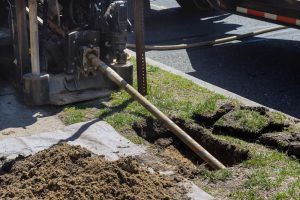
trenchless.jpg A trenchless horizontal directional drilling (HDD) operation

Advantages of Trenchless Pipe Laying Methods for Modern Installation

Are outdated methods of underground pipe laying disrupting your community? Trenchless pipe laying methods provide a modern solution that significantly improves installation. This article will explore how these techniques, including using epoxy and fiberglass, minimize surface disruption, enhance project efficiency, and boost the longevity of your infrastructure. By understanding these advantages, you can recognize how trenchless methods can save you time, money, and community inconvenience while ensuring a reliable pipeline with precision-drilled pilot holes and an effective drill string system. Understanding the Essence of Trenchless Pipe Laying Methods Modern trenchless technologies offer innovative solutions for sewerage installations, enhancing efficiency in urban environments. Unlike traditional methods that require extensive digging, trenchless techniques utilize tools such as reamers, minimizing soil disruption. As

View Full Blog Post »
torch heating a joint during copper pipe soldering

Complete Guide to Mastering Copper Pipe Soldering Techniques for Plumbing

Copper pipe soldering is what separates a joint that holds for decades from one that weeps behind a wall. Do you struggle with leaks in your copper piping? This guide walks you through the fundamentals, the step-by-step technique, and the mistakes that cause leaks, so you can take on a copper pipes plumbing project and keep your system running. Key points Solder is a filler metal that flows into the joint by capillary action, not a glue Lead-free solder is the only correct choice on a drinking water line Flux cleans the surface so the solder can bond to the copper Keep the torch flame moving so the joint heats evenly Test every finished joint with water or air pressure

View Full Blog Post »
Plungers - How to Use Them

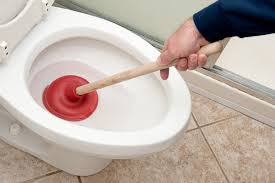
The 4 Types of Plungers and How to Use Each One

Reaching for a plunger and getting nowhere usually means you’re using the wrong one. There are four types of plungers, and each is built for a different drain. Match the plunger to the job and most clogs clear in minutes. Here’s how to tell them apart and use each one correctly. Key Points There are four types of plungers: standard, flange, accordion, and taze. A standard (flat) plunger is best for sinks and showers; a flange plunger is best for toilets. An accordion plunger delivers the most force on toilets but is harder to use. Plunge straight up and down, add water for a seal, and never plunge after using chemicals. If a plunger can’t clear it, our Duncanville team

View Full Blog Post »

Garbage Disposal Tips

Garbage Disposal Tips 10 WAY TO EXTEND THE LIFE OF YOUR DISPOSAL Your garbage disposal is one of the most commonly used appliances in your home. There are good practices to keep in mind that can help extend the life of your garbage disposal, and minimize the maintenance needed. Our plumbers wanted to offer these garbage disposal tips to help keep your kitchen running smoothly.   TIP 1: USE HOT WATER WHILE GRINDING FOODKeep grease at bay with these garbage disposal tips. Using hot water while grinding food in the garbage disposal can help homeowners avoid having problems with grease and clogs that can stick to the sides of the appliance and the pipes underneath the sink. While this might

View Full Blog Post »

Do I Have a Gas or Electric Water Heater?

Do I Have a Gas or Electric Water Heater? If you have hot running water, your home has a water heater. This appliance would be difficult to live without. There are many types of water heaters and odds may be that you aren’t sure what kind of hot water heater your home is using. The most common types are gas and electric water heaters. Less common types are the propane, solar and oil water heaters. An electric water heater uses electric resistance coils, while a gas water heater utilizes natural gas for heating water. Fortunately, there are easy ways to determine the type of water heater you have in your home. This information can help you better maintain your water

View Full Blog Post »

Can You Pour Grease Down the Drain?

Can I Pour Grease Down the Drain? Pouring grease down the sink drain is never acceptable. Doing so can cause major plumbing problems that can affect the entire sewer system in a home. Not only can grease cause backups and clogs, but it builds up over time and coat pipes. This coating of sludge prevents water from smoothly flowing through and continuing down the drain. Unsmooth flowing creates a plumbing nightmare for homeowners that can be very inconvenient and expensive. Prevention begins with not pouring grease and oils down the sink drain. The key is to find an alternative to pouring grease down the drain. Since kitchens do not have the luxury of using a grease trap as restaurants do,

View Full Blog Post »
Do You Need a Home Water Filtration System

Do I Need a Home Water Filtration System

Do I Need A Home Water Filtration System All water sources in the U.S ranging from rivers to lakes to wells have some degree of contamination. The type of contaminants varies from natural minerals to chemicals from industrial and environmental pollution. Stormwater or pesticide runoff, acid rain, and industrial waste contaminate the rivers and lake water quality, which leads to private wells and public water supply contamination from pathogens, hazardous chemicals, and agricultural pesticides. Most contaminants are not at high enough levels to cause severe illness but can have other health effects due to the constant exposure to small amounts. Stay safe with a home water filtration system. SUBSTANCES CONTAMINATING WATER Contamination doesn’t happen from a single source. Any of

View Full Blog Post »

ABS Pipe vs PVC: Which is the Best For Your Project

In the ABS vs PVC pipe debate, the short answer is this: ABS is tougher and handles cold underground runs better, PVC is more flexible and quieter indoors, and your local plumbing code often makes the choice for you. Both materials are lightweight, corrosion resistant, and affordable, they don’t collect condensation the way other pipes do, and they hold hot water temperatures well, which is why they dominate residential drain and waste lines. Our licensed plumbers at Benjamin Franklin Plumbing work with both materials every day and explain the trade-offs with upfront pricing before any project begins. Key Points ABS is black, bonds in one step with cement, and resists shock and cold, making it best for underground runs. PVC

View Full Blog Post »

Plumbing Tools: 5 Essential Picks Every Homeowner Needs

A dripping faucet at 11 PM is not worth a service call, but it is worth owning the right plumbing tools. Five of them handle most of the small leaks and clogs a house throws at you. Keep them in one place and you stop waiting on a hardware store run every time something drips. Key points Plumber’s tape seals threaded joints and buys time on a minor leak An adjustable wrench fits round and hexagonal nuts of different sizes A basin wrench reaches fittings a standard wrench cannot Flange plungers are for toilets, cup plungers are for sinks and tubs Augers and snakes take over when a plunger fails Why keep plumbing tools at home? Professional plumbers exist for

View Full Blog Post »