
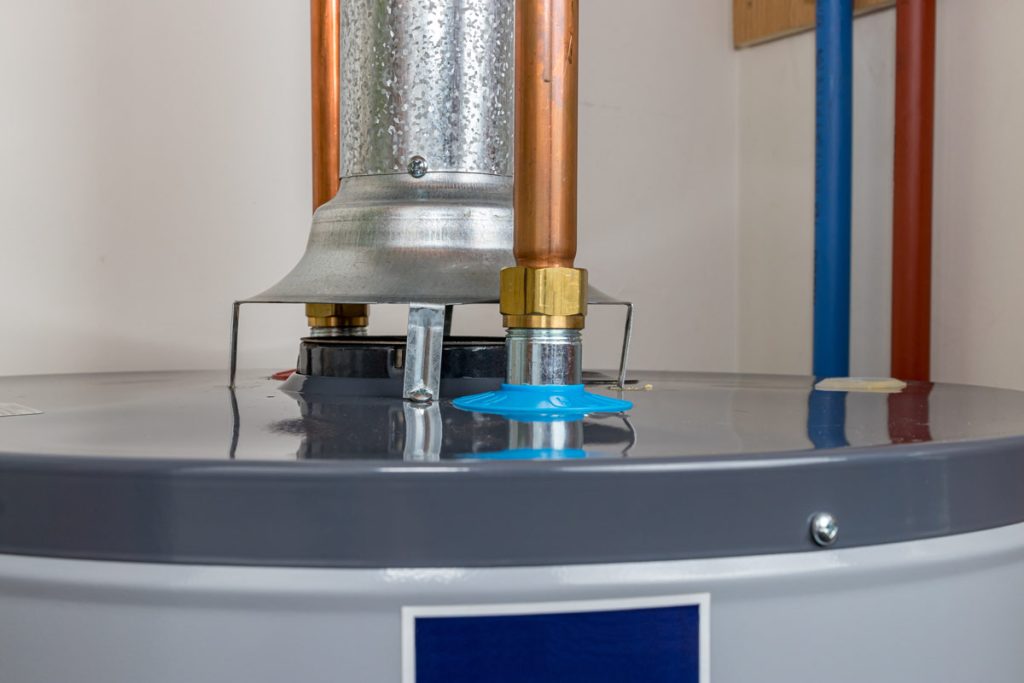
Water heater warning signs almost always show up before a failure. Rumbling noises, rusty hot water, leaks around the base, and hot water that runs out fast all point to a problem you can still fix. For homeowners throughout Duncanville, from established neighborhoods near Meadowcreek to newer developments along the US-67 corridor, catching these signs early means a simple repair instead of an emergency replacement.
Key Points
- Popping or rumbling during heating usually means sediment has built up on the tank floor.
- Rusty or discolored hot water often signals internal tank corrosion and an approaching failure.
- Water pooling around the base means a tank or fitting leak that needs prompt attention.
- A gas odor near a gas water heater requires immediate action.
- Flushing the tank every year is the most effective way to extend your water heater’s life.
What Are the Most Common Water Heater Warning Signs?
The most common water heater warning signs are strange noises, discolored water, leaks, shrinking hot water supply, unstable temperatures, and bad odors. Each one points to a specific failing part:
- Popping or Rumbling: Sounds during heating cycles, which indicate sediment buildup on the tank floor.
- Discolored or Rusty Water: Brown or rust-colored water at hot taps, pointing to internal tank corrosion.
- Pooling Water: Drips or puddles around the unit’s base, indicating a tank or fitting leak.
- Hot Water Runs Out Fast: A shorter supply than usual, signaling a failing heating element or heavy sediment accumulation.
- Fluctuating Temperatures: Water that swings between hot and cold, which often traces to a failing thermostat or element.
- Rotten Egg Smell: A sulfur odor from hot water only, which usually points to the anode rod reacting with bacteria in the tank.
Duncanville’s hard water makes sediment build up faster than it does in areas with softer water. Annual flushing is the single most effective maintenance task, and our water heater repair service team can handle it during a routine visit.
Why Does Ignoring Water Heater Warning Signs Cost More?
Ignoring water heater warning signs turns small, inexpensive problems into expensive ones. A minor sediment buildup that reduces efficiency by 10 percent becomes a complete element failure if left alone. A slow drip at the pressure relief valve becomes a flooded utility room if the valve seizes open.
Water heater failures also tend to happen at the worst times, during high-demand periods when the unit works hardest. Water heating is typically the second largest energy expense in a home, according to the U.S. Department of Energy, so a struggling unit costs you every month it keeps running. Acting on warning signs early keeps the repair scope and cost manageable.
How to Diagnose Specific Water Heater Problems
Each of these water heater warning signs points to a specific problem.
Banging or Rumbling During Heating
Sediment has settled on the tank floor and gets stirred up as the water heats. Flushing the tank resolves this in early stages. If the sediment has hardened into a thick layer, a replacement may be more cost-effective than continued service.
Discolored Water
Rust or brown coloring at hot taps typically means internal tank corrosion. This signals that tank failure is approaching. If both hot and cold taps run discolored, the issue is in the supply line, not the water heater.
Temperature Inconsistency
When water goes from hot to cold unpredictably, the thermostat or heating element is likely failing. On electric units, element testing is straightforward. Gas units may have a faulty thermocouple or gas valve. If your tank is already past the 10-year mark and showing these symptoms, a tankless water heater installation is worth considering.
When to Call a Professional Plumber in Duncanville, TX
Not all water heater warning signs need emergency action, but several do. Call a plumber promptly if you notice:
- Active water pooling around the unit or visible drips from the tank body
- A gas odor near a gas-fired water heater, which requires immediate action
- Complete loss of hot water, especially if the unit is more than 10 years old
- Visible rust or corrosion on the outside of the tank
For water heaters 10 or more years old with multiple symptoms, a professional assessment will show whether repair or water heater replacement is the right path. Acting quickly prevents water damage from a tank failure and keeps repair costs in check.
Tips for Maintaining Your Water Heater for Longevity
Consistent maintenance prevents many water heater warning signs, extends your unit’s service life, and keeps efficiency high. Duncanville homeowners should perform or schedule these tasks:
- Flush the tank every year. Connect a hose to the drain valve and run water until it clears. This single task has the greatest impact on long-term performance and efficiency.
- Inspect the anode rod every two to three years. This magnesium or aluminum rod sacrifices itself to prevent tank corrosion. Once it’s depleted, the tank wall becomes the corrosion target. Replacing the anode rod is inexpensive and extends tank life significantly.
- Keep the thermostat at 120 degrees Fahrenheit. Higher settings speed up sediment buildup and raise the risk of scalding without a meaningful performance benefit.
Our plumbing maintenance visits cover these tasks, and our maintenance membership adds ongoing savings.
Frequently Asked Questions
Is a leaking water heater an emergency?
A leaking water heater needs prompt attention. A drip from a fitting or the pressure relief valve can often be repaired, but water coming from the tank body usually means the tank itself has failed. Turn off the water supply to the heater and call a plumber to prevent water damage.
Can I flush my water heater myself?
Yes, most homeowners can flush a tank water heater. Turn off the power or gas, connect a garden hose to the drain valve, and let the water run until it clears. If the drain valve is stuck or the sediment won’t clear, a plumber can finish the job safely.
What does a rotten egg smell from my hot water mean?
A rotten egg smell in hot water usually points to the anode rod reacting with bacteria in the tank. The odor is a sign the unit needs service. A plumber can flush the tank and inspect or replace the anode rod to stop the smell.
Keep Your Duncanville Home’s Hot Water Reliable
Water heater warning signs don’t fix themselves, and each one you ignore brings the unit closer to failure. Acting on the symptoms above and scheduling regular maintenance protects your equipment and helps you avoid the cost of an emergency replacement. You get upfront pricing before any work begins, and if there’s any delay, it’s you we pay. Contact our team today to schedule a water heater inspection with Benjamin Franklin Plumbing of Duncanville.
