
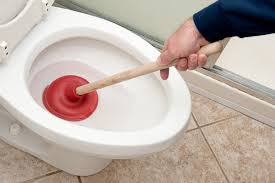
Reaching for a plunger and getting nowhere usually means you’re using the wrong one. There are four types of plungers, and each is built for a different drain. Match the plunger to the job and most clogs clear in minutes. Here’s how to tell them apart and use each one correctly.
Key Points
- There are four types of plungers: standard, flange, accordion, and taze.
- A standard (flat) plunger is best for sinks and showers; a flange plunger is best for toilets.
- An accordion plunger delivers the most force on toilets but is harder to use.
- Plunge straight up and down, add water for a seal, and never plunge after using chemicals.
- If a plunger can’t clear it, our Duncanville team can, on time or we pay you.
Did you know that there are different types of plungers, and each has a different use? Clogged toilets are the most common plumbing issue, and while a clog may seem like a minor inconvenience at first, it can cause real damage if it isn’t handled properly. A clogged toilet can lead to flooding, bacteria growth, mold development, and structural damage to pipes and fixtures, which can cost hundreds to thousands of dollars in repairs.
The best tool to unclog a toilet is a plunger, but different types of plungers solve different problems. Here at Benjamin Franklin Plumbing of Duncanville, we’ve identified four types of plungers and how to use each one to unclog your drains and prevent damage to your home.
Are All Plungers the Same?
No. Plungers come in different shapes, sizes, and materials. Most are designed for a specific situation and are the best tool for that job, but not very effective elsewhere. So the right plunger depends on which drain you’re clearing.
The 4 Types of Plungers and How to Use Each One
The Standard Plunger (Flat Plunger)
When you picture a plunger, this is likely the one you imagine, the old reliable found in most bathrooms. A standard plunger usually has a small rubber cup and a wooden handle.
This plunger is designed for sink and shower drains. The rubber cup gets the most suction on a flat surface, like a sink, where it creates a strong vacuum to pull the clog free. Hold the plunger flat over the drain for the best result. It doesn’t work as well on a toilet, which has no flat surface for the cup to seal against. It can work in a pinch, but it’s not ideal.
The Toilet Plunger With a Flap (Flange Plunger)
A toilet plunger with a flap, also called a flange plunger, is ideal for unclogging a toilet. It has a rubber cup similar to a standard plunger but adds a flap, called a flange, that extends from the cup. This flange latches onto the toilet drain and provides the suction needed to clear it. It’s the best all-around plunger because it works on toilets and on flat surfaces like sinks and shower drains.
The Accordion Plunger
An accordion plunger is best suited for toilets. It has a smaller cup with a larger accordion-like plastic body that collapses and expands to deliver force. Because it’s made of hard plastic, it can be more challenging to use and takes some force to push, but done right it’s the best at unclogging toilets. It won’t work on flat surfaces such as sinks or shower drains, so don’t use it there unless you have no other option.
The Taze Plunger
Taze plungers are for large, typically industrial pipes, and you won’t see them in homes. A taze plunger is a steel rod with a disc at the end, sized to fit the pipe. When a clog occurs, a professional inserts the rod into the pipe and pushes the clog out. We don’t recommend this type for homeowners.
5 Tips for How to Use Different Plungers
Plunge Up and Down
To get the best result, press and lift the plunger straight up and down. Don’t plunge at an angle; you won’t get good suction that way.
Create a Strong Seal
To build suction, press down slowly. Don’t rapidly pump up and down, which won’t create a good seal. A slow, forceful push builds the solid vacuum that breaks the clog loose.
Add Water
A plunger won’t work on a dry surface; water helps the rubber form a seal. That’s rarely an issue in a toilet, but add some water to a sink or shower to make it easier.
Check for Damage
Plungers wear out like anything else. If there’s a crack in the rubber cup, it won’t form a vacuum seal. If your plunger is damaged in any way, replace it.
Wait After Using Chemicals
If you’ve recently used chemical drain cleaner, don’t use a plunger. It can splash droplets of chemicals into the air that are harmful to breathe in. If you must plunge after using chemicals, wear a face mask to protect yourself.
When a Plunger Isn’t Enough
Sometimes a clog sits too deep for any plunger to reach. A toilet that keeps clogging may need our toilet repair and replacement team, while a stubborn sink or tub clog is a job for professional drain cleaning. If the same drain backs up again and again, our drain repair service finds and fixes the underlying problem, and our sink repair and replacement team handles damaged fixtures.
Buy Quality, Buy Once
We hope we’ve answered your questions about the types of plungers and how to use them. Our last tip: buy something nice, not twice. A high-quality plunger is easy to use and lasts longer than a cheap one, and even quality plungers are affordable, so get a good one and save yourself a trip to the store when you need it most.
And if a clog is too much for a plunger to handle, Benjamin Franklin Plumbing of Duncanville is ready with certified plumbers and upfront pricing. Contact our team today and we’ll send a
