


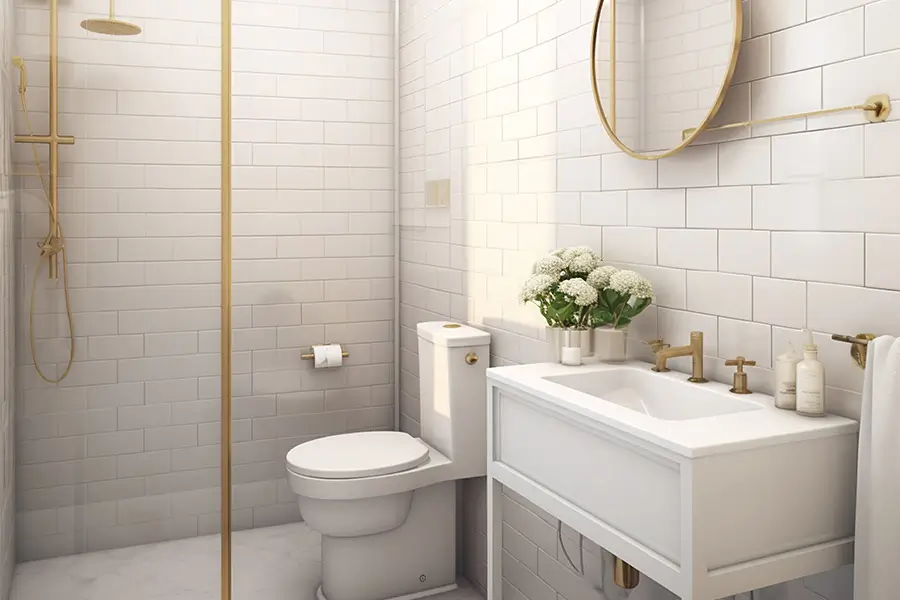
Just like a well-tuned instrument, your toilet should function smoothly without frequent disruptions. If you’re facing issues like persistent clogs or leaks, it might be time to evaluate its condition. Ignoring these signs can lead to bigger problems down the line. Curious about what to look for to determine if it’s time for a repair or even a replacement? Let’s explore the key indicators that can help you make an informed decision.
Frequent Clogs and Backups
Frequent clogs and backups can be a frustrating nuisance, signaling that it might be time to assess your toilet’s condition. If you find yourself plunging more often than you’d like, it could indicate a deeper issue.
Over time, wear and tear can lead to problems like a faulty flapper valve or a worn-out wax seal. You may also notice that your toilet struggles to flush properly, leading to constant interruptions in your daily routine.
If you’re experiencing persistent clogs despite using the right techniques and products, it’s crucial to take action. Ignoring these signs can lead to more significant plumbing issues down the line, not to mention increased water usage and potential damage to your bathroom. Access to emergency repair solutions can help prevent further damage and restore functionality quickly.
Trusting professionals like Benjamin Franklin Plumbing of Duncanville can provide the reliable solutions you need. They’ll help you decide whether a repair or replacement is the best choice for your home.
Constant Running Water
If you notice constant running water in your toilet, it’s a clear sign that something’s not right. This issue can stem from various causes, such as a faulty flapper or a malfunctioning fill valve. Understanding these problems and exploring solutions can help you decide whether to repair or replace your toilet. Seeking assistance from expert sink repair services can provide you with reliable solutions tailored to your needs.
Causes of Constant Running
A constantly running toilet can be a frustrating issue, often caused by a few common culprits.
Identifying the problem can save you time and money. Here are some frequent reasons for that incessant flow:
- Flapper issues: A worn or misaligned flapper can prevent proper sealing.
- Chain problems: If the chain is too tight or too loose, it may not allow the flapper to close.
- Fill valve malfunction: A faulty fill valve can cause continuous water flow into the tank.
- Float height: If the float is set too high, it won’t shut off the water properly.
- Cracked overflow tube: A crack can lead to constant water drainage.
Recognizing these causes can help you determine the next steps for your toilet issue.
Solutions to Consider
Several effective solutions can address a constantly running toilet, helping you regain control over your water usage and reduce your bills.
First, check the flapper valve; if it’s worn or damaged, replacing it could solve the problem.
Next, inspect the fill valve for any blockages or malfunctions. Adjusting the float height can also help guarantee proper water levels.
If you’re still having issues, consider replacing the entire toilet tank assembly for a long-term fix.
Don’t forget to consult a professional if you’re uncertain about any steps.
With reliable services like Benjamin Franklin Plumbing of Duncanville, you can count on expert advice and timely repairs to restore your toilet’s functionality and efficiency.
Cracks or Damage to the Toilet Bowl
When inspecting your toilet, check for any visible cracks or damage to the bowl. These issues can lead to water leakage and compromise the toilet’s structural integrity. If you notice any problems, it’s essential to assess whether a repair or replacement is the best option. Consider consulting with expert plumbers to determine the most effective solution for your toilet issues.
Visible Cracks Inspection
If you notice visible cracks or damage in your toilet bowl, it’s crucial to act quickly. Ignoring these issues can lead to larger problems down the line.
Here’s what to look for during your inspection:
- Surface Cracks: Check for any lines or fissures on the bowl’s surface.
- Discoloration: Look for stains that might indicate damage beneath the glaze.
- Chips: Inspect for any missing pieces that could affect the toilet’s integrity.
- Unevenness: Verify the bowl sits flat; any wobbling can signal deeper issues.
- Rust or Corrosion: Pay attention to metal components; rust can compromise the toilet’s structure.
If you spot any of these signs, consider contacting a professional for an assessment.
Water Leakage Signs
Have you noticed water pooling around your toilet? This could be a sign of cracks or damage in the toilet bowl.
First, check the bowl for any visible cracks or chips. Even small imperfections can lead to leaks. If you see water seeping from these areas, it’s essential to address the issue quickly.
You might also notice discoloration or staining on the floor around the toilet, which indicates a persistent leak. If the water is constantly running or you hear dripping sounds, those are also red flags.
Ignoring these signs can lead to more extensive damage and costly repairs. If you suspect leaks, it’s best to consult a professional for a thorough evaluation and necessary repairs.
Structural Integrity Assessment
A thorough structural integrity assessment is essential for identifying cracks or damage in your toilet bowl. Ignoring these issues can lead to leaks, inefficiency, or even complete failure.
Here are some signs to look out for:
- Visible cracks: Check for any cracks on the surface or inside the bowl.
- Chips or dents: Inspect for any noticeable chips that might compromise the structure.
- Uneven seating: Your toilet should sit level; any wobbling might indicate damage.
- Water stains: Look for water stains around the base, as they can signal leaks.
- Unusual sounds: Listen for gurgling or hissing noises, which may suggest internal issues.
If you notice any of these signs, it’s time to consult a plumber for further evaluation.
Water Leaks Around the Base
Water leaks around the base of your toilet can signal serious underlying issues. If you notice water pooling on the floor, addressing this promptly is essential.
The leak might stem from a faulty wax seal, which connects the toilet to the floor and prevents sewer gases from escaping. Over time, this seal can wear out, leading to leaks that not only create a mess but can also damage your flooring.
You should also check for loose bolts securing the toilet to the floor. Tightening them might resolve the issue, but if leaks persist, replacement of the wax seal or the entire toilet may be necessary. Timely repairs are crucial to avoid structural damage and health risks.
Ignoring these leaks can lead to mold growth or structural damage, costing you more in the long run. If you’re unsure, it’s best to consult a plumbing professional like Benjamin Franklin Plumbing of Duncanville to assess the situation and recommend the best course of action.
Foul Odors Persisting
Foul odors lingering around your toilet can be more than just an unpleasant nuisance; they often indicate deeper plumbing issues. If you’re experiencing these persistent smells, it’s essential to take action.
Here are some common causes to reflect on:
- Clogged drains: Blockages can trap waste and create foul smells.
- Broken wax seal: This can allow sewer gases to escape, causing odors.
- Cracked toilet bowl: Hidden cracks can leak waste and produce unpleasant scents.
- Poor ventilation: A lack of airflow can lead to musty smells in your bathroom.
- Old toilet: Aging fixtures can develop issues that lead to persistent odors.
If you’ve tried cleaning and the smells won’t go away, it might be time to consult a professional.
Don’t ignore these signs—addressing them early can save you from more significant plumbing problems down the line.
Increased Water Bills
Noticing a jump in your monthly water bill can be alarming, especially if your usage habits haven’t changed. If you’re seeing higher bills, it might indicate that your toilet is leaking. A small leak can waste a significant amount of water, leading to higher costs on your bill.
Check for signs of water pooling around the base of the toilet or listen for the sound of water running when the toilet isn’t in use. These can be clear indicators of a problem.
Ignoring increased water bills can lead to more than just a financial burden; it could signal the need for repair or even replacement. You don’t want to waste money every month because of an inefficient toilet.
If you suspect your toilet is the culprit, consider reaching out to a professional plumber for a thorough inspection. Addressing the issue sooner rather than later can save you cash in the long run.
Age of the Toilet
If you’ve already spotted signs like increased water bills, it might be time to contemplate the age of your toilet.
Toilets have a lifespan, and knowing when yours was installed can help you decide whether to repair or replace it.
Consider these points to assess your toilet’s age:
- Older than 25 years: Toilets this old are less efficient and prone to issues.
- Frequent repairs: If you’re constantly fixing it, replacement may be a better investment.
- Water usage: Older models use more water per flush, leading to higher bills.
- Constant leaks: If you notice ongoing leaks, it might be time for a new unit.
- Outdated design: Modern toilets are more efficient and can save you money over time.
Considering these factors can help you make an informed decision for your home.
Conclusion
If your toilet’s throwing more tantrums than a toddler on a sugar high, it’s definitely time to take action. Don’t let that ancient porcelain throne become a water-wasting dinosaur or a foul-smelling horror show. Whether it’s constant running, leaks, or just plain old age, you deserve a reliable bathroom buddy. So, embrace the upgrade—your bathroom deserves better than a toilet that’s auditioning for a plumbing horror film!
