


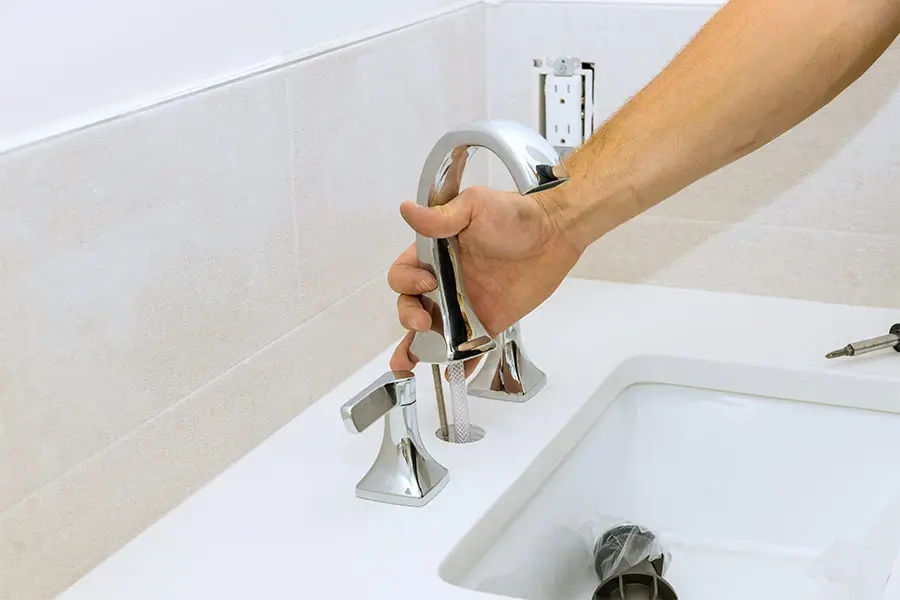
Like a well-oiled machine, your shower should function seamlessly, but even the best can encounter issues. As a homeowner in Red Oak, TX, you might face common shower repair problems that can disrupt your daily routine. From leaky faucets to pesky mold, these issues can creep up unexpectedly. For many Red Oak households, working with trusted plumbing services in Red Oak, TX is the most reliable way to keep showers and bathrooms operating smoothly. Let’s examine these challenges and uncover how to keep your shower in top shape.
Leaky Showerheads and Faucets
When you notice a leaky showerhead or faucet, it can be more than just an annoyance; it may likewise lead to higher water bills and potential damage to your home.
These leaks often stem from worn-out washers, O-rings, or corroded fixtures. Ignoring them won’t make the problem disappear; it’ll only escalate. You might find yourself dealing with mold growth or water stains on your walls.
Addressing leaky fixtures promptly helps prevent wasted water, structural damage, and indoor air quality issues. A licensed plumber can evaluate whether components can be repaired or if a replacement fixture will provide a longer-term solution.
Replacing worn parts usually does the trick, but in some cases, more extensive repairs are needed to protect surrounding materials and plumbing connections. If you’re uncomfortable tackling the issue yourself, it’s wise to bring in a professional who can quickly diagnose and resolve the problem, ensuring your plumbing remains efficient and your home stays protected. Additionally, dedicated shower repair and replacement services are available when fixtures or assemblies are beyond simple repair.
Clogged Shower Drains
Clogged shower drains can turn your relaxing shower into a frustrating experience, as water backs up and lingers around your feet. Hair, soap scum, and mineral buildup are common culprits that create blockages.
You might notice slower drainage at first, but ignoring the issue can lead to more significant problems, like foul odors or even water damage.
Basic clearing attempts may provide temporary relief, but recurring clogs often point to deeper buildup in the line or problems further down the drain system.
To tackle this, you can try using a plunger or a plumber’s snake to dislodge the clog. If that doesn’t work, a mixture of baking soda and vinegar can help break down debris.
When clogs become frequent, persistent, or are accompanied by gurgling drains or backups in other fixtures, a professional assessment is the safest route. With expert drain cleaning services, technicians use specialized equipment to clear blockages thoroughly and help protect your pipes from damage.
But if you’re still experiencing issues, it might be time to call a professional. With Rooter services and drain cleaning support from a qualified plumbing team, you get reliable solutions and upfront recommendations tailored to your home. Their skilled technicians can quickly diagnose and resolve your clogged shower drain, ensuring you can enjoy your showers without the hassle.
Don’t let clogs ruin your relaxation—act fast!
Low Water Pressure Issues
Experiencing low water pressure can be just as frustrating as dealing with a clogged shower drain. It can make your shower feel more like a drizzle, leaving you unsatisfied and rushed.
First, check if the issue is isolated to just one shower or affects your entire home. If it’s just one, you might’ve a problem with the showerhead itself or a kinked hose. Cleaning the showerhead can often resolve mineral buildup blocking the flow.
If the entire house is affected, you might need to investigate your plumbing system. Low water pressure could signal issues like leaks, corroded pipes, or problems with your municipal water supply. Remember, timely water leak repair services are crucial to avoid structural damage and health risks.
Rather than guessing at the cause, having a professional plumber test pressures, inspect lines, and evaluate fixtures can save time and prevent hidden damage. Their skilled technicians can diagnose the problem efficiently, explain your options clearly, and help you get back to enjoying a rejuvenating shower in no time.
Damaged Shower Tiles
Damaged shower tiles can lead to bigger issues if you don’t address them quickly.
You might find yourself deciding whether to repair the tiles or replace them entirely, and knowing the common problems can help you make that choice.
Plus, with some simple prevention tips, you can keep your tiles looking great for years to come. Additionally, addressing bathtub repair and replacement issues promptly can prevent further complications in your bathroom.
Common Tile Issues
Have you noticed cracks or chips in your shower tiles? These common tile issues can lead to bigger problems if left unchecked.
Cracked tiles not only look unsightly, but they can likewise compromise the water barrier, allowing moisture to seep behind them. This moisture can cause mold growth and damage to the underlying structure.
Similarly, chipped tiles can create sharp edges that are hazardous. If you see any discoloration or loose tiles, it’s time to take action.
Regularly inspecting your shower tiles can help you catch these issues early. By addressing them promptly—often with the help of a professional who can assess waterproofing, grout, and substrate—you can protect your shower’s integrity and maintain a safe, clean environment.
Don’t wait; your shower deserves attention!
Repair vs. Replace
When faced with damaged shower tiles, how do you decide between repairing and replacing them? Consider these key factors:
- Extent of Damage: Are the tiles cracked, loose, or missing completely?
- Cost: Is the repair cost-effective compared to full replacement?
- Aesthetics: Do you want a fresh look, or is the current style acceptable?
- Long-Term Solutions: Will a repair hold up over time, or is replacement a more durable choice?
Repairing tiles can save you money and time, especially if the damage is minor.
On the other hand, if the tiles are extensively damaged or outdated, replacing them might be the better option for enhancing your shower’s overall appearance and functionality.
A plumbing or remodeling professional can walk you through these considerations, evaluate underlying moisture issues, and recommend whether a targeted repair or full replacement best protects your bathroom. Evaluate your situation to make the best choice.
Prevention Tips
To keep your shower tiles in great shape, it’s important to take proactive steps that can prevent damage before it occurs.
First, regularly inspect your tiles for cracks or chips, addressing any issues immediately. Clean your tiles with gentle, non-abrasive cleaners to avoid wear and tear.
Make sure to seal grout lines every few years to prevent water from seeping in and causing mold or mildew. Moreover, install a shower mat to reduce impact and minimize slips.
Limit the use of harsh chemicals, which can degrade the tile surface. Finally, guarantee proper ventilation in your bathroom to reduce moisture buildup.
When in doubt, a quick inspection from a plumbing or bathroom specialist can help you spot early warning signs and keep small concerns from turning into bigger repairs.
Faulty Shower Valves
A faulty shower valve can turn your relaxing shower experience into a frustrating ordeal. You might notice issues like inconsistent water temperature, dripping faucets, or low water pressure.
These problems can disrupt your daily routine and make simple tasks feel overwhelming. Here are some signs you might need to check your shower valve:
- Inconsistent water temperature when adjusting the handle
- Water leaking from the valve or showerhead
- Low or fluctuating water pressure
- Unusual noises when water is running
If you experience any of these symptoms, it’s time to take action. Ignoring a faulty valve can lead to more extensive plumbing issues and costly repairs down the line.
Because shower valves sit behind walls and tie into your broader plumbing system, they’re best handled by a licensed professional. A plumber can determine whether repair or replacement is the most reliable fix and make sure the work meets safety and code standards. With expert support, you can restore your shower to its peak performance and enjoy your time in the bathroom again.
Shower Mold and Mildew Problems
Mold and mildew can quickly become a homeowner’s nightmare in the shower.
Understanding the causes of their growth and learning how to prevent them is crucial for a clean and healthy bathroom.
Let’s investigate effective removal methods and tips to keep your shower mold-free.
Causes of Mold Growth
When you notice dark spots in your shower, it’s often a sign of mold or mildew growth, which thrives in damp, warm environments.
Several factors contribute to this unwelcome issue:
- Poor ventilation: Stagnant air traps humidity, creating an ideal breeding ground.
- Leaky fixtures: Dripping faucets or showerheads keep surfaces consistently wet.
- Infrequent cleaning: Neglecting regular maintenance allows mold spores to settle and grow.
- High humidity: Bathrooms with insufficient air circulation can become overly humid, especially after hot showers.
Addressing these causes is crucial for maintaining a clean, healthy shower space.
Taking action now—such as improving ventilation, fixing leaks promptly, and scheduling routine bathroom maintenance—can help you avoid more significant problems in the future.
Prevention Tips and Tricks
To keep your shower free from mold and mildew, it’s essential to implement a few simple prevention strategies.
First, always ventilate your bathroom by using an exhaust fan or opening a window during and after showers. This reduces humidity levels that encourage growth.
Next, wipe down shower surfaces after each use to eliminate moisture. Consider using a squeegee for quick clean-up.
Regularly check and replace any worn caulking or grout to prevent water from seeping into cracks.
Furthermore, use mold-resistant shower curtains and keep your bathroom clutter-free to allow for better air circulation.
Finally, schedule routine deep cleans or professional maintenance to maintain a fresh environment and catch early signs of moisture problems.
Effective Mold Removal Methods
Even with preventive measures in place, mold and mildew can still find their way into your shower.
When you spot these unwanted guests, it’s essential to act quickly.
Here are some effective mold removal methods you can try:
- Vinegar Solution: Mix equal parts of white vinegar and water in a spray bottle, spray it on the affected areas, and let it sit for an hour before scrubbing.
- Baking Soda Paste: Combine baking soda with a bit of water to create a paste. Apply it to the moldy spots, scrub, and rinse.
- Bleach Solution: Use a diluted bleach solution (1 cup of bleach to 1 gallon of water) for tougher cases, but guarantee proper ventilation.
- Store-bought Cleaners: Choose mold-specific cleaning products for effective results.
For widespread growth, recurring issues, or mold that appears to extend beyond surface materials, professional help is strongly recommended. Addressing mold promptly keeps your shower clean and healthy!
Water Temperature Fluctuations
If you’re experiencing water temperature fluctuations in your shower, it can be both frustrating and uncomfortable.
These sudden changes may stem from several issues, such as a malfunctioning mixing valve or sediment buildup in your water heater. You might notice that one minute you’re enjoying a hot shower, and the next, it’s ice cold.
To tackle this, start by checking your water heater’s temperature settings. If everything seems right there, consider inspecting your shower’s mixing valve for damage or blockages.
Replacing this valve can often resolve the issue.
Because temperature issues may involve both your shower and water heater, having a licensed plumber evaluate the full system is often the most efficient way to uncover the root cause and prevent repeat problems.
If you’re unsure or the problem persists, don’t hesitate to call a professional.
At Benjamin Franklin Plumbing of Duncanville, we’ve got your back with expert solutions. Our skilled technicians will diagnose the problem quickly and guarantee your shower delivers consistent, comfortable water temperature.
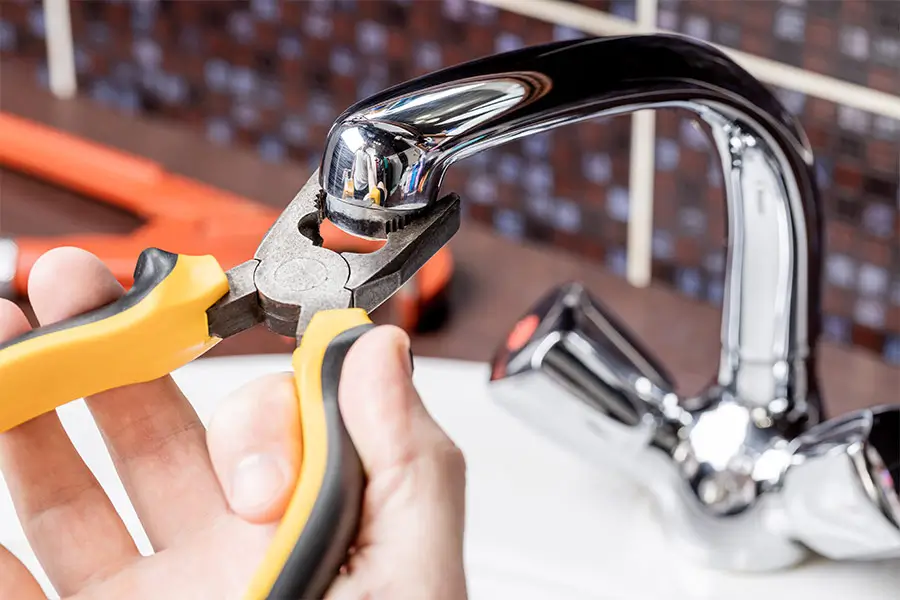
Keeping Your Red Oak Shower Working Smoothly
By staying informed about these common shower repair issues, you can prevent unexpected inconveniences and costly repairs. It’s interesting how a simple leaky faucet can lead to mold growth and bigger problems down the line. So, don’t wait for a minor issue to snowball; take a proactive approach to your shower maintenance by partnering with experienced plumbing professionals. When you’re ready to address shower concerns or plan preventive care, you can schedule your shower repair service with Benjamin Franklin Plumbing of Duncanville and get practical, solutions-focused support for your Red Oak home. After all, a few simple steps today can guarantee your family’s daily showers remain safe and enjoyable for years to come.
